


Whether you're making a hot cup of tea or coffee, boiling water is the first step—and how you do it can affect both speed and energy use. Some people rely on the microwave or stovetop, while others swear by electric kettles as the most energy-efficient option.
So, are electric kettles really more efficient than the stove or microwave? Let’s break it down and find out which method saves energy, heats faster, and fits your daily routine best.
Methods of Boiling Water
In the quest to determine the most energy-efficient kettles, there are several points to consider. Many people oversimplify the argument. It takes the same amount of thermal energy to boil a liter of water no matter which energy source you use. The main difference between a microwave, stove, or electric kettle is how long it takes to transfer that energy—and how much gets wasted in the process.
So, which method is most efficient? Let’s take a closer look.
Boiling a Kettle on the Stove

Stovetop kettles have long been a go-to for heating water, especially on gas or electric burners. But when it comes to energy efficiency, traditional stoves fall short. A significant amount of heat escapes into the surrounding air—especially with open flames or coil-based electric elements.
Induction cooktops are a more efficient option, using electromagnetic energy to heat the kettle directly with less heat loss. However, they’re still less common than gas or standard electric stoves and require compatible cookware.
No matter the setup, stovetop kettles generally take longer to boil water and waste more energy compared to electric kettles. And without temperature control, they’re harder to dial in for coffee or tea that requires precision.
Heating Water in the Microwave
Microwaves can be a convenient option, especially for reheating food or making quick meals. But when it comes to boiling water, they’re not the most efficient choice.
Most microwaves use between 800 and 1,000 watts, but much of that energy is lost to the air or absorbed inefficiently by the container. In fact, studies show microwave heating is only about 60% efficient. That means a significant portion of the electricity isn’t actually going into the water itself.
Microwaves also heat unevenly, which can lead to hot and cold spots—especially when heating larger amounts of water. For consistent, energy-efficient boiling, there are better tools for the job.
Using an Electric Kettle

For most people, electric kettles are the most efficient and convenient way to boil water. While they use similar amounts of power as a microwave, nearly all of that energy goes directly into heating the water. The heating element sits inside the kettle, so very little heat is lost to the surrounding air.
Electric kettles can also heat water quickly and include helpful features to avoid energy waste. Many models have internal sensors that shut off the heating element once the water reaches a boil, preventing bubbling over or running dry.
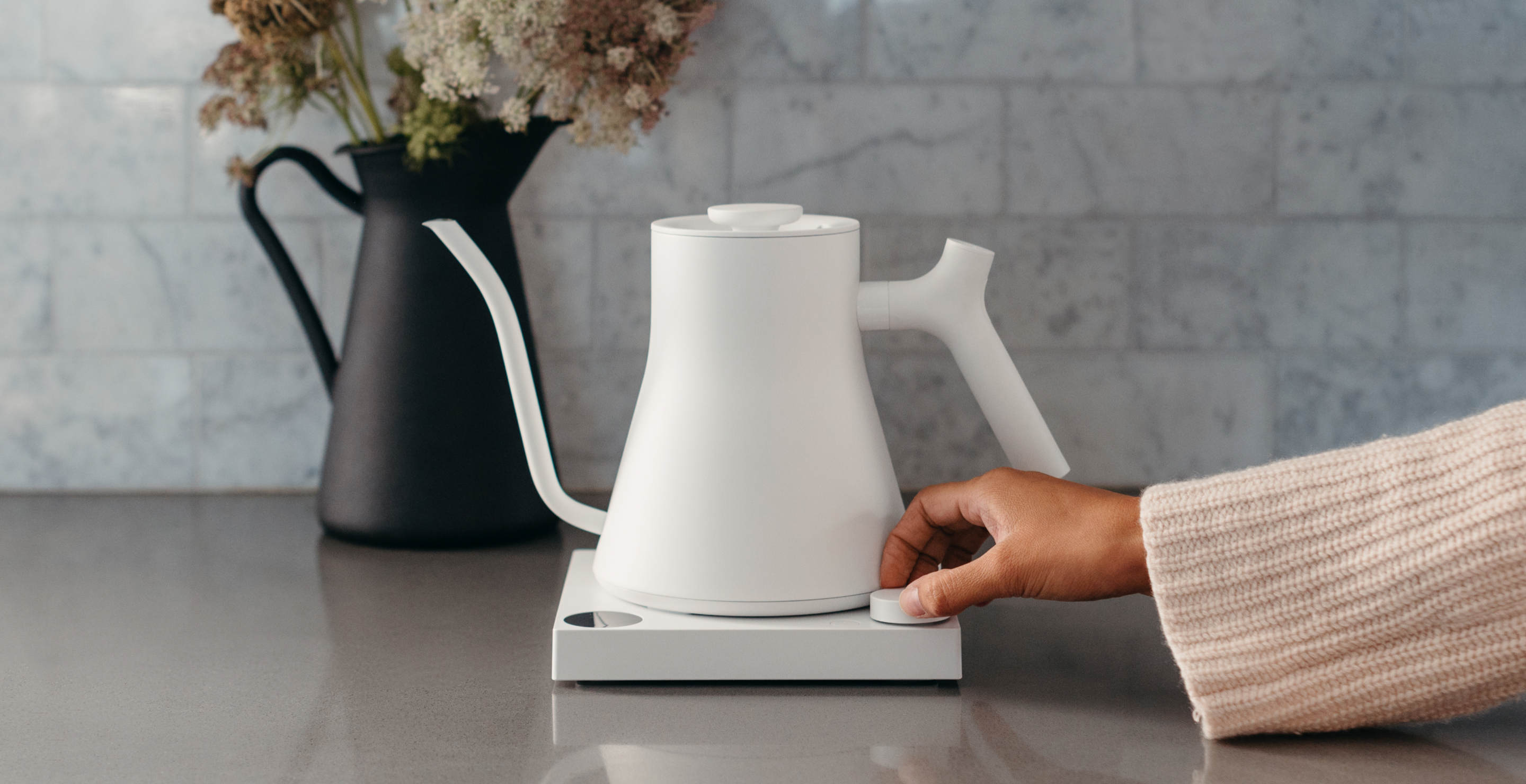
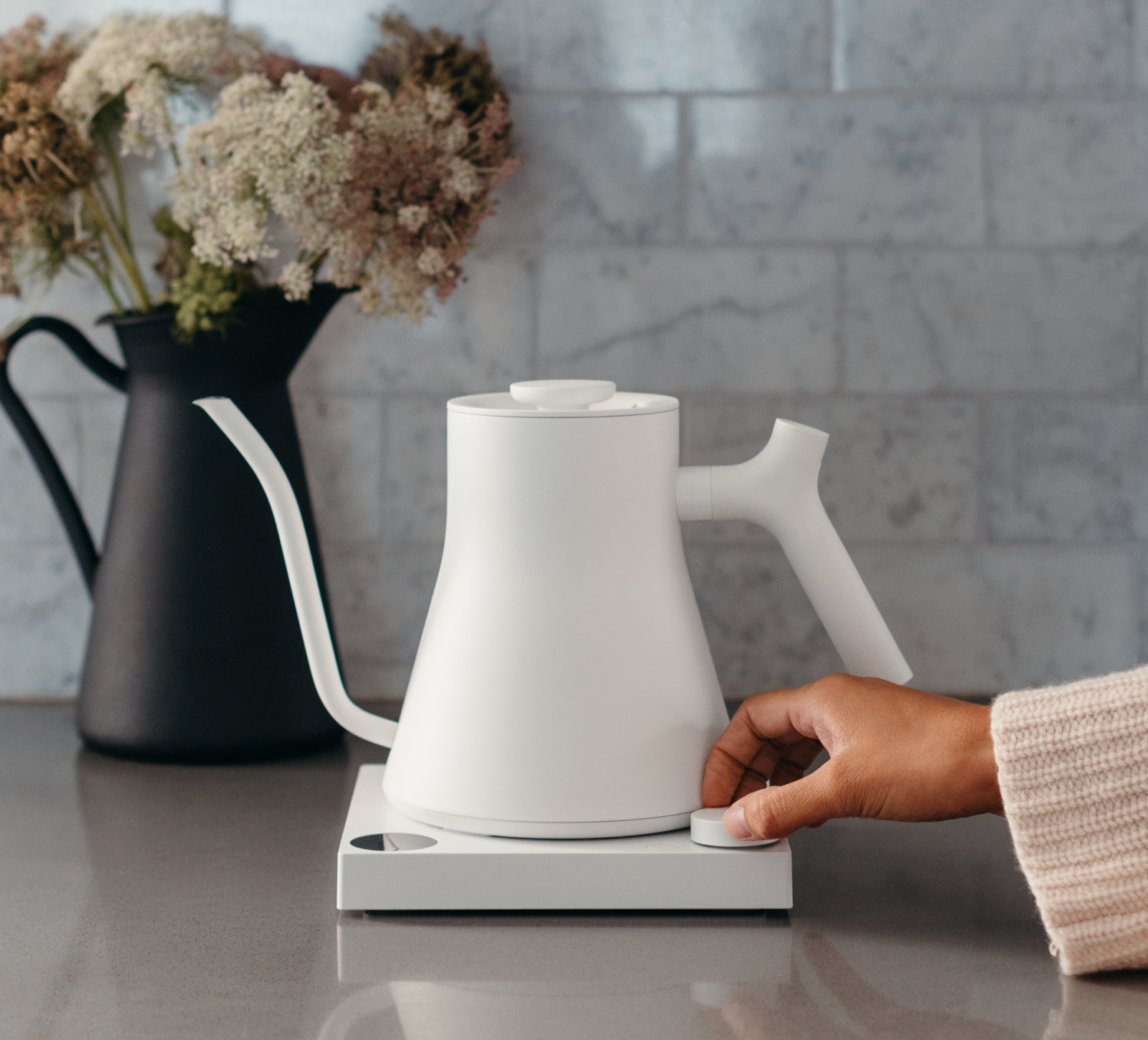
Even if you love the look of a classic stovetop kettle, you don’t have to sacrifice style for efficiency. With options like Corvo EKG Pro or Stagg EKG Pro, you get electric precision in a beautifully designed form. No matter your style, it’s clear that electric kettles are a top choice for efficient, consistent boiling.