


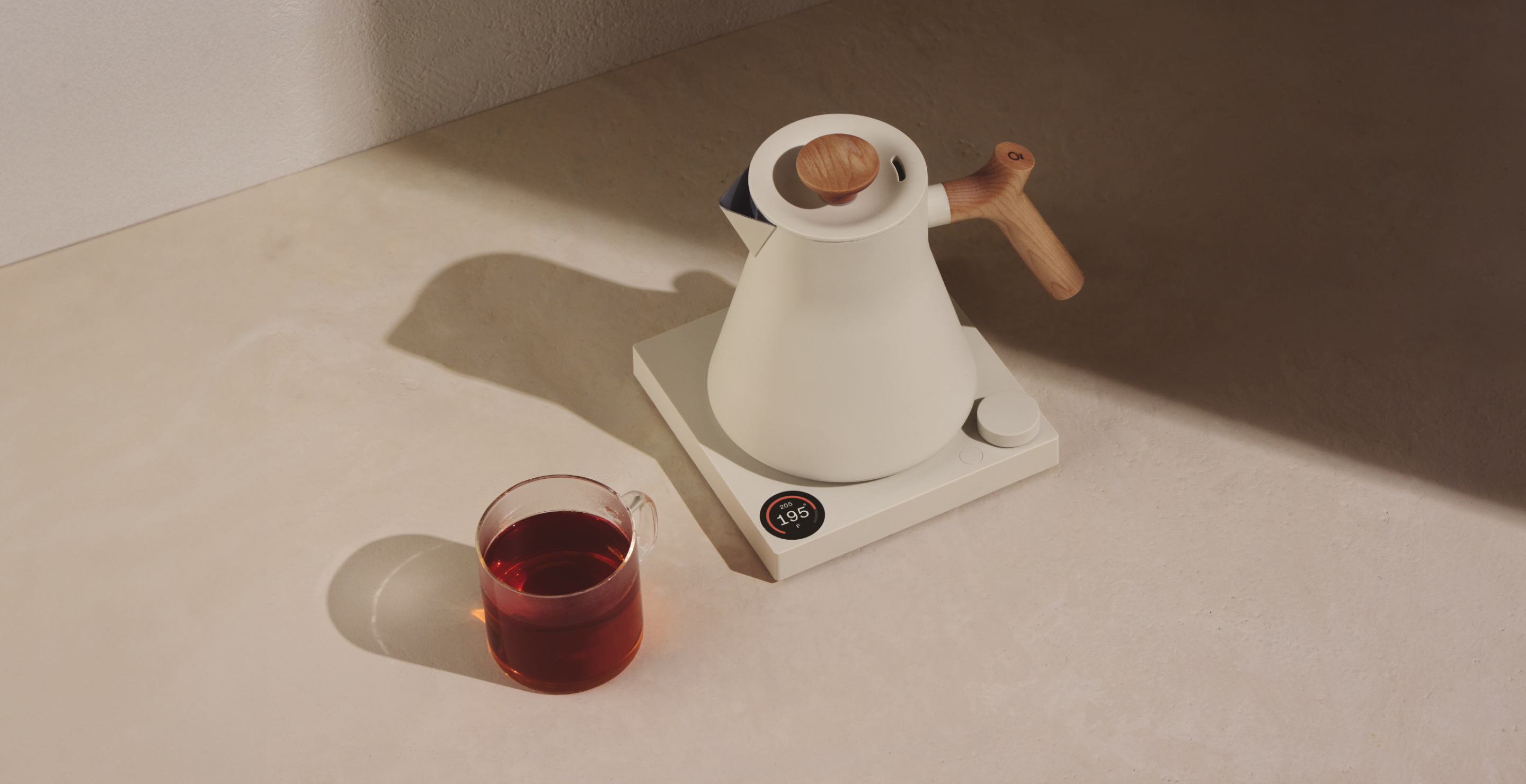
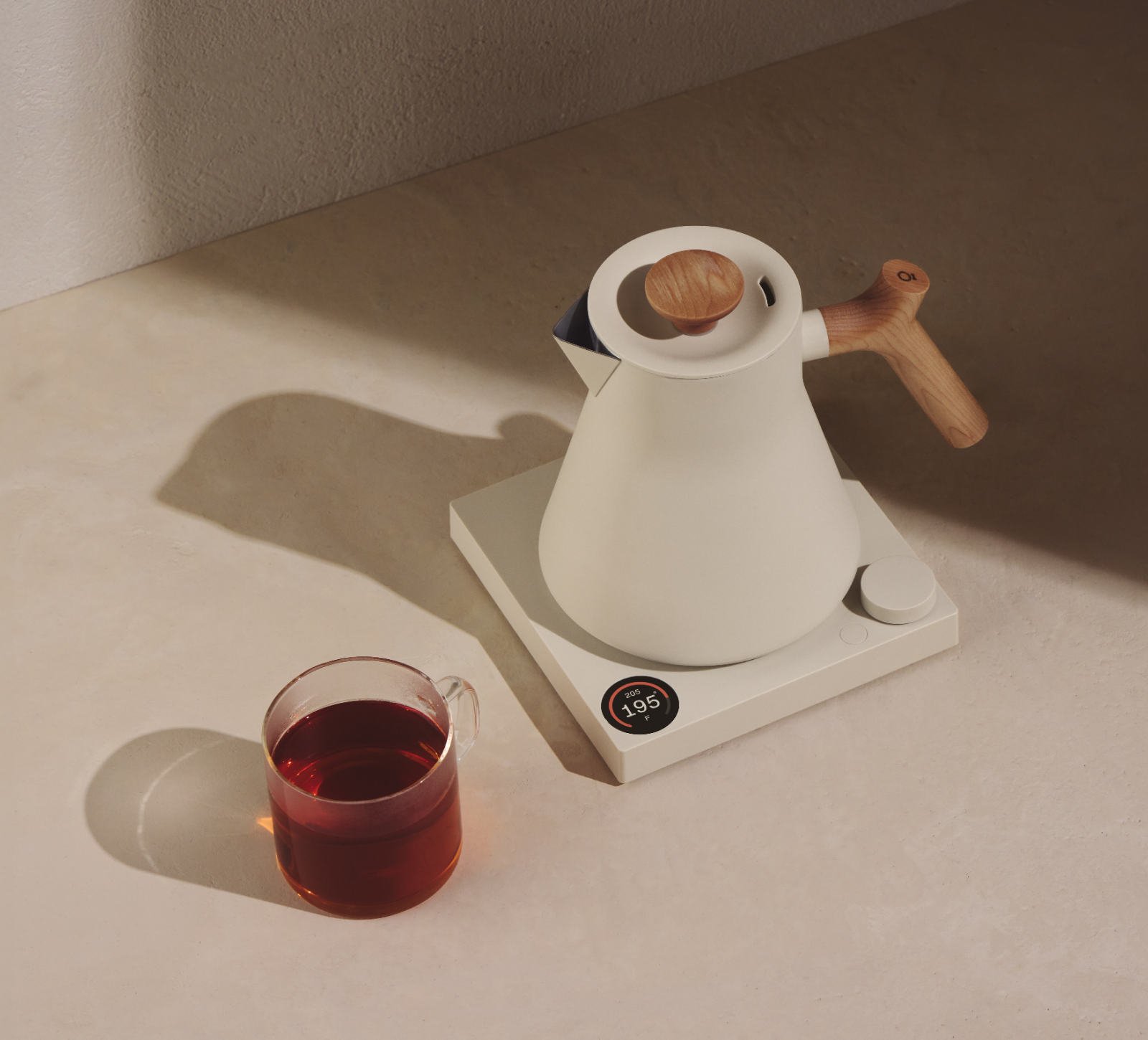
Tea is one of the world’s most beloved beverages. Using the right techniques with your kettle can transform an ordinary cup into an extraordinary experience.
How to Make Tea With an Electric Tea Kettle

Step 1: Fill the Kettle with Fresh Water
Always start with cold, fresh water. Water with more oxygen helps bring out the flavor of your tea. Fill your electric kettle below the maximum fill line to avoid overflows or boil-over.
Step 2: Select the Right Temperature
Set your electric kettle to the ideal temperature for your tea. Different teas require different water temperatures for the best flavor:
- Black and herbal teas: 212°F
- Oolong tea: 195°F
- Green and white teas: 175-180°F
Using an electric kettle with to-the-degree temperature control—like Corvo EKG Pro—lets you dial in the exact heat level for each type.
Step 3: Prepare Your Tea While Heating
While the water heats, prepare your teacup or pot.
- For loose-leaf tea: Use 1 teaspoon of tea leaves per 8-ounce cup
- For tea bags: Use one bag per cup
To warm your vessel and maintain temperature during steeping, rinse it with hot water and discard before brewing.
Step 4: Pour and Steep
Once the water reaches the right temperature, pour it over your tea. If using loose-leaf tea, place the leaves in an infuser or strainer. Cover your cup or pot to keep heat in.
Here are general steeping guidelines:
- Black tea: 3-5 minutes
- Oolong and white teas: 2-3 minutes
- Green tea: 1-2 minutes
- Herbal tea: 5-7 minutes
Step 5: Remove the Tea Bag or Leaves
After steeping, remove your tea bag or leaves. For tea bags, use a spoon to gently press and extract the remaining liquid before discarding. If you use loose-leaf tea in an infuser, lift it out and set aside.
For loose leaves without an infuser, strain your tea into a separate teapot or directly into cups. Removing the tea helps prevent over-extraction, which can result in a tannic taste that overpowers the tea's natural flavors.
How to Make Tea with a Stovetop Tea Kettle

Stovetop kettles offer a traditional, analog approach to tea-making, without the need for digital features or outlets.
Step 1: Fill the Kettle with Fresh Water
Just like with electric kettles, start with cold, fresh water. Fill the kettle below the spout to allow room for boiling.
Step 2: Heat the Water
Place your kettle on an appropriately sized burner and heat over medium-high. Keep the lid closed to help the water boil more efficiently. If your kettle has a built-in thermometer, monitor the temperature as it heats. Otherwise, watch for visual cues—steady steam and a low bubbling sound are good indicators your water is ready. Some kettles also include a whistle to signal the boil, but not all models do.
Step 3: Control the Temperature
Unlike electric kettles, which let you set an exact temperature, stovetop kettles require a bit more manual control. If your kettle has a built-in thermometer, you can monitor the temperature and pour when it hits your target. If not, bring the water to a boil, then let it cool for a minute or two before steeping—especially for green, white, or oolong teas that prefer lower temps.
Step 4: Pour and Steep
Once your water reaches the right temperature, pour it over your tea leaves or bags. Cover and steep according to the recommended times listed above.
Electric vs. Stovetop Kettle: Which Kettle Should You Choose?

Each style has its perks. Here's our breakdown of the key differences.
Electric kettles offer:
- Precise temperature control
- Faster boiling
- Auto shut-off and safety features
- No need for a stovetop
Stovetop kettles offer:
- No need for an electric outlet
- A touch of analog charm
- That classic stovetop look (some even whistle)
Tips for Making Better Tea

Beyond water temperature, a few small choices can make a big impact on your brew.
Choose Quality Tea Leaves
Great tea starts with great leaves. Whole-leaf teas generally offer fuller flavor than the broken or dust-grade tea often found in low-quality bags. For the best results, buy from retailers with high turnover to ensure freshness, and store your tea in opaque, airtight containers to protect it from light and moisture.
Get the Tea-to-Water Ratio Right
As a rule of thumb:
- 1 teaspoon of loose-leaf tea per 8-ounce cup
- 1.5 teaspoons for larger leaves like white tea
- 2 teaspoons for very large, fluffy leaves
Add Enhancements You Love
Add honey, sugar, maple syrup or agave nectar. Add cream, milk, or non-dairy alternatives such as oat or almond milk. Add a lemon or orange slice. Stir your tea with a cinnamon stick for an extra spice. Add fresh mint leaves to green tea in summer.
Steep for the Right Amount of Time
Too short, and the flavor will be weak. Too long, and bitterness may take over—especially with black or green teas. Use a timer to take out the guesswork.
Making tea connects us to a tradition enjoyed across cultures for thousands of years. Whether you prefer the high-tech precision of an electric kettle or the timeless charm of a stovetop version, the right tools and techniques can help you brew the perfect cup every time.