Careful measurement of coffee grounds—or dosing—forms the foundation of a great espresso shot. The process requires balancing several variables to bring out the best in each cup. Dosing is one part of dialing in, alongside grind size and extraction. The texture of your grounds (grind size) and the dry espresso dose both influence total brew time, or “pull time.” With that in mind, let’s explore dosing and extraction, along with tips for achieving a flavorful, consistent shot every time you brew.
What Is Espresso Dosing and Extraction?
Savored for its rich, intense flavor, espresso is a concentrated form of coffee brewed under pressure. Dosing refers to the quantity of grounds used for a shot, while extraction describes how water flows through those grounds, pulling out soluble compounds that define flavor. These compounds—and the gases released when water meets the dry bed—shape everything from aroma to taste.
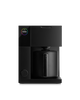
Understanding how dosing contributes to extraction helps you find the right balance for more consistent, better-tasting shots. A precise grind plays a key role here—tools like Opus 2 Conical Burr Grinder make it easier to dial in grind size with intention, supporting more repeatable results. Paired with a consistent espresso machine, like Espresso Series 1, you can refine each variable and improve your shot over time.
Perfect Espresso: What to Change or Measure
Achieving great espresso means balancing every part of the brewing process—from grinding fresh beans for smooth extraction to dialing in grind size and water temperature for consistent flow. For instance, dosing too many grounds can lead to over-extraction and longer brew times, resulting in bitter shots. On the other hand, too few grounds—or under-extraction—can create sour, acidic flavors that feel unbalanced. With careful attention to each variable, you can refine your process and tailor each shot to your personal taste.
Dose
The amount of coffee grounds you measure for a shot of espresso is referred to as the dose, and it strongly influences the intensity and flavor of your final brew. If your dose is too small for your portafilter basket or target yield, your espresso may taste weak or inconsistent. If it’s too large, it can lead to bitterness or restrict water flow.
After measuring your dose—typically with a digital scale—you place the grounds into your portafilter, distribute them evenly, and tamp to prepare for brewing. Consistency at this stage sets the foundation for everything that follows. A precise grind is just as important, since it directly impacts how water moves through the bed—tools like the Opus 2 Conical Burr Grinder help you dial in grind size with more control for repeatable results.
Yield
The amount of espresso produced from a shot is referred to as the yield. Your dose and the amount of water used determine your brew ratio, which directly affects flavor, body, and strength.
Ratios are typically expressed as coffee in to espresso out. For example, a 20-gram dose that yields 40 grams of espresso reflects a 1:2 ratio. A higher ratio (less water) creates a heavier, more concentrated shot, while a lower ratio (more water) produces a lighter, milder result.
Yield also influences crema—the golden-brown layer on top of your espresso. When balanced with dose and extraction, it contributes to both texture and visual appeal.
Brew Time
Along with dose and yield, total brew time plays a key role in how your espresso tastes. Grind size, water temperature, and pressure all influence how quickly water flows through the coffee bed.
Smaller grounds extract more quickly, while coarser grounds require more time. Managing these variables helps you control extraction and avoid bitterness or sourness. Tools that provide consistency across your setup—from grinder to espresso machine—make it easier to refine these variables and achieve more repeatable results.
Water temperature typically falls between 195–205°F, but the ideal range depends on your beans and preferences. Experimentation is key to finding what works best for you.
What’s the Ideal Shot of Espresso?
To find the right dose for your espresso shots, consider the type of beans you’re using, the roast level, and the flavor notes you enjoy most. These details can give you a strong starting point when dialing in your ideal shot. For example, if you want to highlight chocolatey or heavier notes in a darker roast, you might pull a more concentrated shot. If you want to bring out brighter, fruit-forward notes in a lighter roast, you might pull a slightly less concentrated shot.
Generally, doses for double shots of espresso (which most cafés pull) depend on the size of your portafilter basket. For a 20-gram basket, for example, you’d typically start with 18–20 grams of coffee. A common ratio in modern espresso is 1:2, so a 20-gram dose would yield about 40 grams of espresso.
Keep in mind that these ratios are just starting points. You may adjust your dose or water to suit your taste—whether you prefer a richer, more viscous shot or something lighter and more balanced. Taking a holistic approach that considers grind size, dose, water temperature, and pressure will help you achieve more consistent, repeatable results.
Part of dialing in grind size comes down to using a precise, reliable grinder, such as our Opus 2 Conical Burr Grinder. Designed to deliver consistent results across brew methods, it features a wide grind range and a stepless adjustment dial that makes it easier to fine-tune your grind with intention. Whether you're pulling espresso on a machine like Espresso Series 1 or switching to another brew method, Opus 2 helps you get more out of your coffee with greater control and consistency.