Drip coffee, sometimes called "autodrip" or "batch brew," is one of the most common ways to brew coffee. If you’re new to drinking coffee, you might be overwhelmed by the sheer volume of terminology in the coffee lexicon.
The truth is, there are many ways to brew coffee and several specialty drinks made with different types of brewed coffee. We have tons of coffee brewing resources to help guide you to the drink and method that’s right for you, but here we’ll dive into what drip coffee is, how it differs from other brews, and how to make the perfect cup.
Key takeaways
- Drip coffee is machine-brewed; pour-over is manual, giving you more direct control
- A simple brew workflow makes it easier to dial in flavor from cup to cup
- If you’re choosing a machine, look first at temperature control, capacity, and cleanability
- Minor changes in grind and ratio can have a noticeable effect on the final cup
What Is Drip Coffee?

Drip coffee, also known as autodrip or batch brew, is a brewing method in which a machine automatically heats water and pours it over coffee grounds nested in a paper, metal, or reusable cloth filter. The water relies on gravity to slowly pass through the grounds, extracting flavors and oils before steadily dripping into a waiting carafe or mug below.
This measured extraction process typically takes between 4 and 10 minutes, depending on the specific machine and settings used. Because a quality drip machine controls both water flow and heat, the result is a smooth, balanced, and highly consistent cup. Unlike manual pour-over methods, drip machines are engineered to manage the complex brewing variables for you, making them incredibly practical for everything from a quick single serving to a full pot on
How Is Pour-Over Coffee Different From Drip?

Both methods involve passing hot water through coffee grounds using a filter, but the key difference is control. Pour-over coffee preparation is handled manually, while drip coffee is prepared by machine. With pour-over, you decide how fast to pour, how much water to use, and how long the coffee brews. Drip coffee machines automate that process, offering convenience and consistency. It should be noted, however, that some refer to pour-over as “drip” or “filter” coffee. To differentiate between the two, some also refer to “drip” coffee made with a machine as “autodrip.”
Steps for Making Good Drip Coffee

Mastering your machine requires moving away from guesswork and adopting a repeatable routine. Whether you are brewing a single mug to start your day or a full carafe for a crowd, standardizing your approach ensures that every variable works in harmony. By breaking the process down into measuring, grinding, and brewing, you build a baseline that makes dialing in your perfect flavor profile incredibly straightforward.
Step 1: Measure Your Coffee and Water
Start with a simple ratio so you have a repeatable baseline. A common starting point is 1:16, which means 1 gram of coffee for every 16 grams of water. If you prefer to think in smaller amounts, keep your measurements consistent and adjust one variable at a time.
Step 2: Grind Medium and Prepare the Filter
Use a medium grind for drip coffee. If the grind is too coarse, the coffee can taste weak; if it’s too fine, the brew can taste overly extracted. Place your filter in the basket, add the grounds, and make sure everything sits evenly before brewing.
Step 3: Brew, Then Taste and Adjust
Brew with water between 195°F and 205°F for optimal extraction. Once the coffee is finished, taste it before making any changes. If it tastes thin, try a slightly finer grind or a bit more coffee. If it tastes heavy or bitter, go a little coarser or reduce the dose slightly.
What to Consider When Buying a Drip Coffee Maker?
A good drip coffee maker should fit your routine and your countertop. Look for a machine that brews in the 195°F–205°F range, is easy to clean, and keeps coffee hot without relying on a hot plate that can flatten flavor over time. See if it checks these six boxes:
- Size: Choose a footprint that fits your kitchen and your usual brew volume.
- Technology: Features like temperature control, auto-start, and brew strength settings can make the routine more precise.
- Brew capacity: Some machines are built for a single mug, while others handle a full carafe.
- Filter type: Paper, metal, and cloth each affect the body and clarity differently.
- Price: More control usually means a higher price, but the daily return can be worth it.
- Build quality: Removable parts and straightforward cleanup make a machine easier to live with.
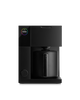
Aiden Precision Coffee Maker, for example, lets you brew everything from a single mug to a full carafe with more control over the brew process.
What Type of Grind Should You Use for Drip Coffee?

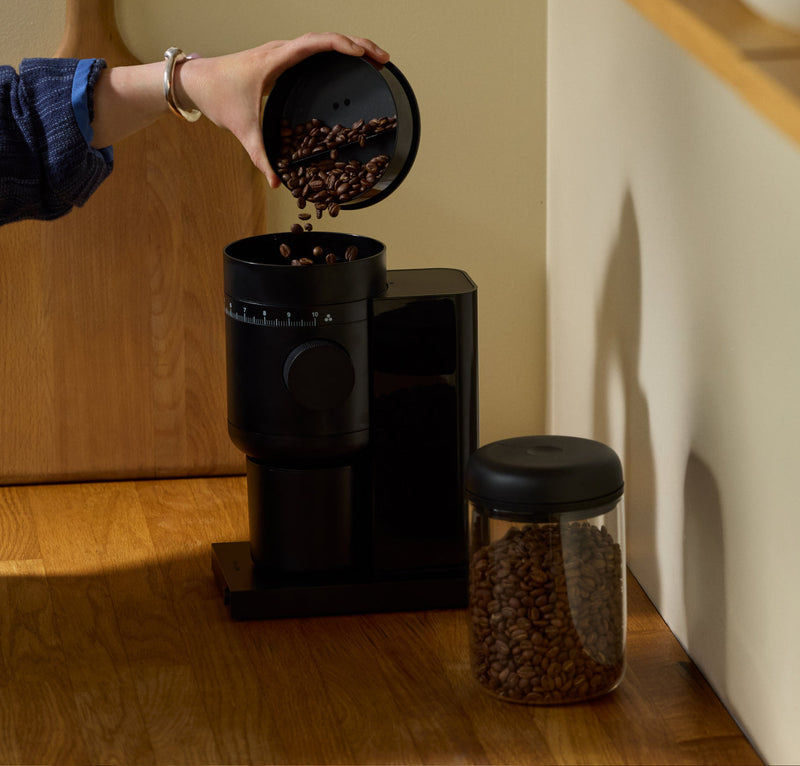
Experts recommend using a medium grind for optimal extraction time. If the grind is too coarse, water moves through too quickly, leaving you with a weak brew. A grind that's too fine has the opposite effect, and over-extraction occurs. A medium grind provides a balance between the surface area of the grind and extraction time. If you’re grinding at home, Opus, our all-purpose grinder, makes it easy to dial in the perfect consistency.
What Is the Right Ratio for Good Drip Coffee?
Some say the best coffee-to-water ratio is 1:16. Some baristas say there's no "right" ratio; it's up to the person. We discuss this in detail in our guide to The Golden Ratio, so check this out if you want to explore the topic more.
How Does Drip Coffee Compare to Other Brew Methods?
Aside from drip coffee, other popular brew methods include pour-over, AeroPress, siphon, cold brew, and espresso. Compared to espresso and French press, drip coffee tends to be smoother and less intense. Pour-over is often preferred by those who want hands-on control over every variable.
Drip coffee makers are great for brewing multiple cups at once, making them a convenient choice for households and busy mornings. But many machines struggle with single-serve quality, often producing weaker or over-extracted coffee.
Aiden is designed to handle both single-serve and batch brewing with the same level of precision—letting you fine-tune temperature, bloom time, and brew strength for a dialed-in cup every time.
How Much Caffeine Is in Drip Coffee?
A standard drip coffee typically contains about 65–120 milligrams of caffeine. Generally, the longer the coffee brews, the more caffeine is extracted from the beans and ends up in the final cup.
The Bottom Line
Drip coffee is a go-to for anyone looking for an easy, reliable way to brew great coffee at home. Whether you prefer the simplicity of an automatic brew or want to fine-tune your settings for a more customized cup, the right machine makes all the difference. And if you're still exploring, check out other brewing methods to find the one that’s right for you.

Drip coffee FAQs
What is the best water to use when learning how to make drip coffee?
Filtered water is highly recommended for drip coffee. Because a brewed cup is primarily made of water, using a filtered source removes chlorine and other impurities that can severely dull or alter the final flavor profile of your beans.
Do I need to rinse the filter before brewing?
Yes, if you are using a paper filter, briefly rinsing it with hot water before adding your grounds is a great practice. This washes away any residual papery taste and helps pre-heat the brew basket for better temperature stability.
How often should I clean my drip coffee maker?
The removable carafe and filter basket should be washed with warm, soapy water after every use. To maintain the machine's internal components and ensure it reaches the optimal brewing temperature, you should descale the water reservoir every 1 to 3 months to remove mineral buildup.
Can I leave my brewed coffee on the machine's warming plate?
It is best to avoid leaving coffee on a traditional hot plate for more than 20 to 30 minutes. Continuous direct heat can essentially "cook" the brewed coffee, flattening its flavor and introducing a bitter, burnt taste. If you need to keep your coffee hot for longer, transferring it to an insulated thermal carafe is the best option.