Key Takeaways
- While both come from the Camellia sinensis plant, matcha is shade-grown and stone-ground, while green tea is sun-grown and steeped as whole leaves.
- Matcha is significantly more concentrated in caffeine and antioxidants (EGCG) because you ingest the entire leaf rather than just the infusion.
- Green tea offers a light, refreshing, and thin consistency; matcha provides a rich, "umami" flavor with a thick, frothy texture.
You most likely have heard of green tea and matcha. When choosing between matcha or green tea, the decision often comes down to more than just a preference for flavor. While both originate from the Camellia sinensis plant, they offer vastly different experiences in terms of caffeine delivery, preparation ritual, and nutritional density.
Whether you’re looking for a morning energy boost or a mindful afternoon, understanding the nuances of these two drinks will help you find your perfect brew.

What is Green Tea?
Green tea is a global staple, celebrated for its refreshing profile and minimal processing. The leaves are typically steamed or pan-fired shortly after harvest to prevent oxidation, preserving their natural green color and high catechin content. It is most commonly enjoyed as an infusion, in which the leaves are steeped and then removed.
There are many green teas, each with its own taste. Popular ones include Sencha, Dragon Well, and Gyokuro. They can be purchased as loose leaves or in tea bags.
What is Matcha?
Matcha is a specialized form of green tea that involves a unique growing and processing method. For three weeks before harvest, the tea plants are shaded to skyrocket chlorophyll and L-theanine levels.
The leaves are then stone-ground into a microscopic powder. Unlike traditional tea, matcha is a suspension; you consume the entire leaf, resulting in a much more potent experience.
Matcha vs. Green Tea: 7 Key Differences

Both green tea and matcha come from the same plant but are produced in different ways. Green tea is prepared with uncut leaves, while matcha is made into a powder. This changes how they taste and look, as well as their nutrients.
One serving of matcha contains more caffeine and antioxidants than normal green tea because it contains the entire leaf. This means a bigger energy kick and a bolder flavor.
Matcha preparation also requires a little more ritual. To achieve its signature froth, many people use a bamboo whisk (chasen). Green tea is simpler, requiring just an infuser or teapot.
Origins
Green tea and matcha tea are derived from the same plant, Camellia sinensis; however, they undergo different processing methods.
Green tea is made from whole leaves that are steamed and then sun-dried. To make matcha, the plant is shaded for three weeks to boost chlorophyll and enhance its green color. The large leaves are then collected, steamed, and dried before being ground into a fine powder.
Brewing and Prep Method

To prepare matcha, mix the powder with hot water using a bamboo whisk (like the one included in our Matcha Set) until it becomes frothy. This produces a thick, strong drink. To prepare green tea, steep the leaves in hot water for several minutes before straining.
Flavor Profile
Matcha has a rich, savory taste and a creamy texture, while green tea is more subtle. Matcha is more intense because you consume the entire leaf. Green tea has a light, refreshing taste with a slight grassy flavor. It's less robust since you only drink the infusion.
Texture

Texture also distinguishes matcha from green tea. When you drink matcha, the powder blends with the liquid, making it creamy and thick. Unlike matcha, green tea is clear and smooth. The texture of matcha adds to its unique drinking experience.
Caffeine Content
Matcha and green tea both contain caffeine. However, matcha has more concentrated caffeine levels because it involves grinding the tea leaves into a powder, allowing you to consume the whole leaves. This process also alters the type of energy you receive.
More specifically, matcha provides calm alertness, which many people like better than coffee. Coffee can make you feel jittery, while matcha gives a caffeine boost without the edginess. Green tea has less caffeine than matcha and provides a softer energy boost.
Health Benefits
If you are looking for the most nutrient-dense option, matcha is the clear winner.
Because you are ingesting the entire leaf, one cup of matcha can contain up to 10 times the antioxidants of a cup of regular green tea. It is particularly rich in EGCG (Epigallocatechin gallate), a catechin studied for its potential to support metabolic health and fight oxidative stress.
Core Health Benefits:
- Antioxidant Power (EGCG): Matcha contains up to 10 times the antioxidants of a standard cup of green tea. These catechins are critical for protecting cells from oxidative stress and supporting metabolic health.
- Skin Health & Protection: The high antioxidant content is often credited with supporting skin health, helping defend against environmental stressors and oxidative damage from UV exposure.
- Physical Endurance: Both teas have been linked to improved fat oxidation during exercise, which can help sustain energy levels and enhance performance.
- Cognitive Calm: Thanks to the combination of caffeine and L-theanine, both teas offer a "calm alertness." Matcha, however, provides a higher dose of L-theanine, resulting in superior focus without the jitters.
- Liver & Heart Support: Research suggests that the specific polyphenols in these teas may help support cardiovascular function and liver health.
Experiences

Matcha and green tea share botanical roots, but they deliver two fundamentally different experiences for the modern brewer. Green tea is the ultimate companion for clarity—a light, refreshing, and subtle infusion that cleanses the palate and offers a soft energy lift. Matcha is a versatile drink that transforms a simple drink into a focused cognitive ritual.
Whether you prefer the delicate precision of a steeped leaf or the meditative process of whisking powder into a rich froth, the secret to a perfect cup lies in the temperature and the tools you use.
Mastering the Craft of Tea Brewing
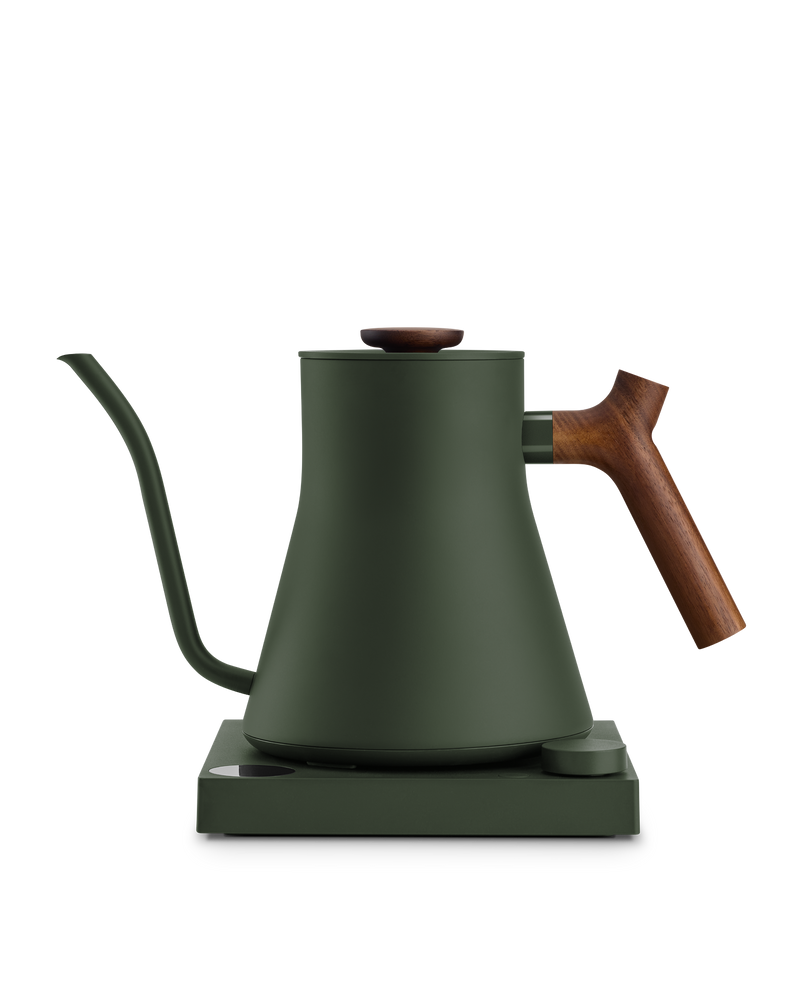
Regardless of which leaf you choose, the secret to unlocking these flavors lies in thermal precision. Both teas are delicate; using water that is too hot will scorch the leaves and destroy the nuanced antioxidants you’re looking for. A variable temperature kettle and the right whisking tools turn a simple drink into a mastered craft.
If you’re ready to transition from a casual sip to a deliberate ritual, the Fellow Matcha Set and our precision Stagg EKG Kettle provide everything you need to experience these teas as they were meant to be tasted.