Staring at a shelf of Japanese green tea powders, the variety can end up feeling like a guessing game show. While the labels "ceremonial" and "culinary" sound meaningful, they rarely make it obvious which tin belongs in your morning bowl, your iced latte, or your baking recipe.
The distinction moves beyond a simple question of premium versus basic. Ceremonial matcha is typically intended to be whisked with water and drunk straight, allowing its delicate nuances to shine. Culinary-grade matcha, on the other hand, is usually crafted to hold its own in lattes, smoothies, and baked goods.
This guide breaks down the core differences between ceremonial and culinary matcha, when to reach for each, what to look for beyond the label, and how intentional preparation can elevate your final cup.
Key Takeaways
- Ceremonial matcha is typically smoother, brighter, and more delicate, making it the ideal choice for drinking straight.
- Culinary-grade matcha usually delivers a stronger, more robust flavor that holds up well in lattes, smoothies, and baked goods.
- The terms “ceremonial” and “culinary” serve as useful shopping labels, but they are not universally regulated proof of quality.
- Your ideal choice always depends on your preparation method, flavor preferences, freshness, and budget.
Ceremonial vs. Culinary Matcha: The Core Difference
The primary difference between ceremonial and culinary matcha comes down to its intended use. Ceremonial matcha is generally cultivated and milled to be whisked directly with hot water and enjoyed on its own. Culinary-grade matcha powder is crafted with the expectation that it will be mixed into drinks, batters, and recipes.
Ceremonial-grade matcha is usually milled into an exceptionally fine powder. You will often notice a vibrant green color and a delicate flavor profile characterized by rich umami, a smooth taste, natural sweetness, and very little bitterness. Because you drink it straight, the tea leaves must offer a balanced flavor on their own, providing a richer texture and a different kind of calm energy than traditional steeped green tea.
Culinary matcha, by contrast, is usually grassier, stronger, and noticeably more bitter. This bolder, earthy flavor is intentional. The robust profile ensures the matcha flavor remains distinct when you add milk, fruit, or sweeteners.
“Ceremonial vs. Culinary” Only Goes So Far
While these categories can be helpful starting points, it is worth noting that they are not standardized across all farms or producers. It’s best to treat them as a helpful flavor guide rather than an absolute guarantee of quality for the “best matcha powder”.
It helps to remember that culinary matcha is not automatically a "bad" or low-quality matcha. It is simply a smarter, more functional choice when the powder plays a supporting role in a preparation rather than acting as the sole ingredient. Ceremonial matcha, on the other hand, is usually the better fit when the powder itself is the main event.
Here’s a quick overview of the core differences between the two:
| Feature |
Ceremonial Matcha |
Culinary Grade Matcha |
| Best Use | Whisked with water and enjoyed straight |
Lattes, smoothies, baking, desserts, recipes |
| Flavor | Smooth, delicate, umami, lightly sweet |
Stronger, grassier, more bitter |
| Color |
Usually vibrant green |
Often darker, duller, or more yellow-green |
| Texture | Very fine and silky | Can be slightly less fine or delicate |
| Price | Usually higher | Usually more affordable |
| Best For | Simple preparations where matcha flavor is the focus | Drinks and recipes with milk, sweeteners, or other ingredients |
Is Ceremonial Matcha Better Than Culinary Matcha?
Ceremonial matcha is not universally better than culinary matcha. It is usually the superior choice for drinking straight because its delicate, smooth taste has nowhere to hide. Without milk or sugar to mask imperfections, a high-quality matcha must stand entirely on its own merits.
However, culinary-grade matcha can easily become the better option for recipes, smoothies, and everyday lattes. Its assertive bitterness and strong flavor profile hold up beautifully against milk, sugar, flour, and fruit.
Consider the value and the final experience you are after when deciding between the two.
A remarkably delicate ceremonial grade matcha powder may be entirely lost inside a sweet baked good, wasting its nuanced profile. Conversely, a bold culinary matcha will likely taste too intense or astringent when prepared simply with water.
"Better" will depend on your preparation style, flavor preference, and how you intend to enjoy your matcha.
Matching Your Matcha to Your Preparation
When deciding which tin to reach for, it helps to work backward from your recipe. The more the matcha stands alone, the more delicacy matters. As you introduce other ingredients, a stronger powder often becomes much more useful.
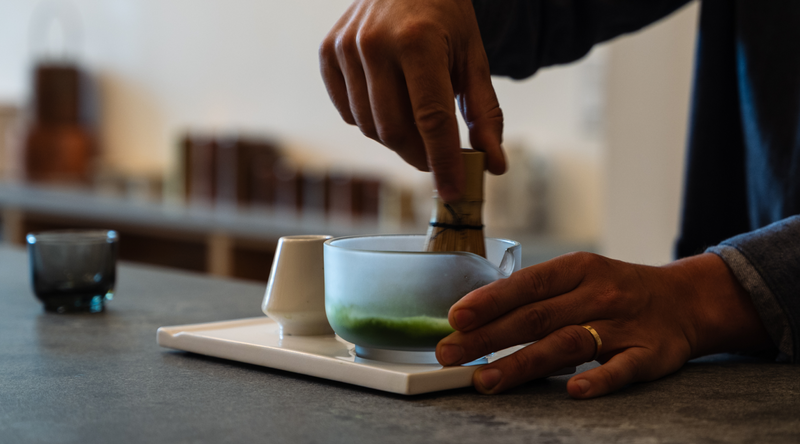
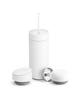
- For straight matcha: Choose ceremonial matcha or a high-quality premium blend. Because you are whisking the powder only with water, the aroma, vibrant color, and silky texture are front and center. Dedicated tools like the Fellow x Yama Matcha Set can help simplify this process for more consistent, delicious drinks.
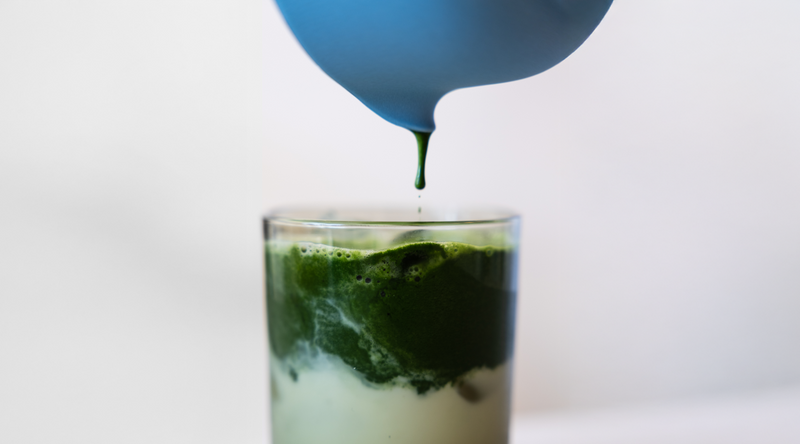
- For matcha lattes: Use culinary, premium, or an everyday matcha when flavor strength and value matter most. While ceremonial matcha can certainly work beautifully in a latte, its subtle notes are frequently muted by milk. Culinary options are often the more practical choice for this daily ritual, whether you are crafting a standard sweet latte or experimenting with a uniquely roasted Hojicha matcha brew.
- For baking and desserts: Culinary-grade matcha is usually the ideal fit. It is significantly more affordable in larger quantities and retains enough intensity to remain noticeable after mixing, heating, or sweetening your food.
- For smoothies: Lean toward culinary-grade matcha. Fruit, yogurt, and sweeteners can easily overpower the quiet complexity of a subtle ceremonial blend.
Regardless of the type you choose, your preparation tools still influence the final cup. Proper sifting, deliberate whisking, and precise water temperature help coax the best texture and flavor out of any matcha tea.
How to Choose Quality Matcha Beyond the Label
Because ceremonial and culinary are not universally standardized labels, evaluating the powder yourself is often the best way to ensure you are getting exactly what you want.
Keep this quick checklist in mind when sourcing your next tin:
- Check the color: Look for a vibrant, bright green hue rather than a stale yellow, dull brown, or muddy tone.
- Assess the texture and aroma: Choose a fine powder that offers a fresh, grassy, or lightly sweet aroma right out of the tin.
- Review the details: Look for transparency regarding sourcing, the region in Japan, whether it uses first harvest leaves, and grinding methods, as these indicate a commitment to the highest standards.
- Match price to purpose: A higher-priced ceremonial matcha makes perfect sense when you plan to savor it straight, while an affordable culinary grade is highly practical for cooking and baking.
The label on the tin can guide you, but the color, aroma, and your intended use should ultimately inform your choice.
Mastering Matcha Preparation at Home
Preparation matters immensely, especially when using ceremonial matcha. Because the powder is simply suspended in water, the texture and flavor are completely exposed to your technique.
To bring out the best in your bowl:
- Sift the powder: Always sift your matcha before adding water to break up clumps and ensure a creamy, smooth texture.
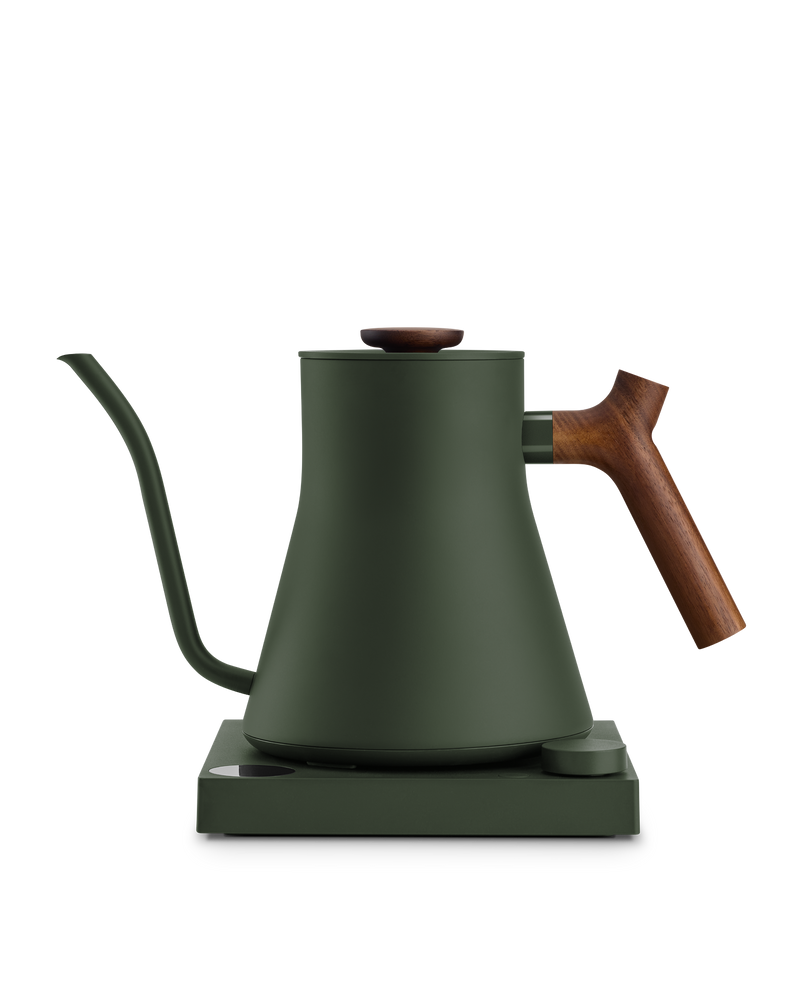
- Control the heat: Use hot water (around 175°F/80°C), never boiling water. Overly hot water can scorch the tea leaves and render your drink harsh or bitter. A temperature-controlled setup, like The Kettle + Matcha Kit, helps you hit this exact sweet spot consistently so you never burn a delicate ceremonial blend.
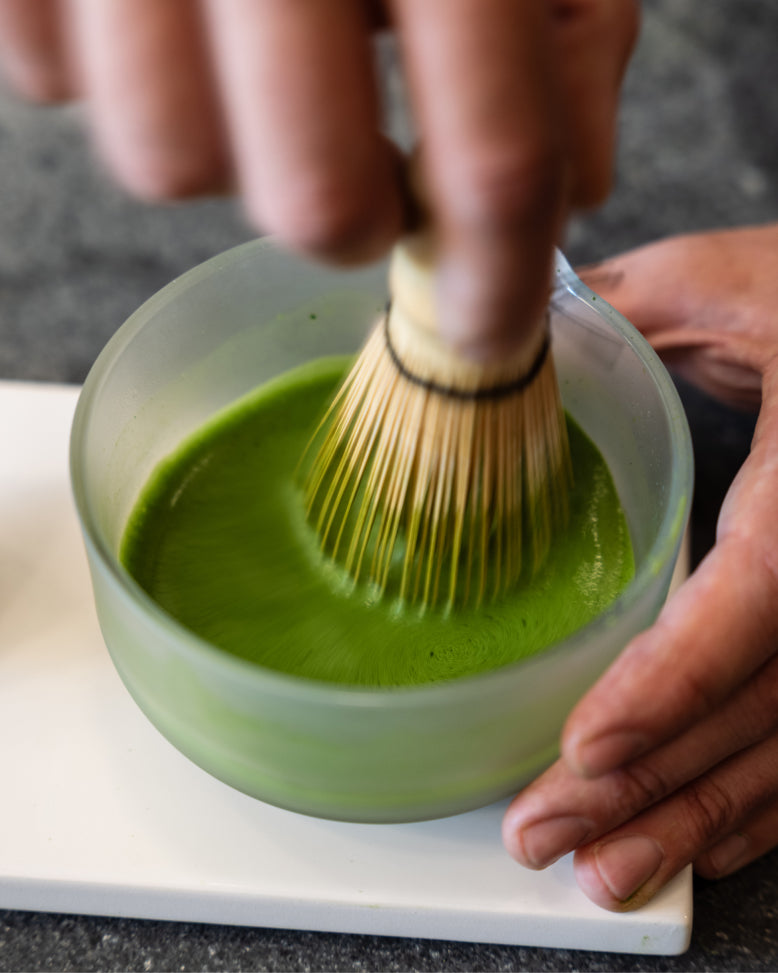
- Whisk thoroughly: Use a bamboo whisk to mix the water and powder until it becomes a smooth, lightly frothy suspension.
- Match the grade: Use ceremonial for drinking matcha straight, and reserve culinary or everyday powder when you plan to add milk or blend it into smoothies.
If you are refining your daily routine, exploring a beginner’s guide to brewing matcha can help you master these foundational steps without overcomplicating your morning.
Finding the Right Matcha Setup for Your Routine
Ultimately, the best matcha is the one that effortlessly fits your daily routine. Ceremonial matcha offers a quiet, focused ritual when you want to experience the pure flavor and texture of a traditional bowl. Culinary-grade matcha is your dependable companion when you want to blend that earthy richness smoothly into everyday drinks and recipes.
Having the right setup makes this practice feel seamless and consistent, without overcomplicating your morning. If you are ready to build a simple, beautiful home setup, you can explore Fellow’s broader Matcha collection for tools intentionally designed around sifting, whisking, pouring, and serving.
Frequently Asked Questions About Matcha Grades
Navigating the nuances of matcha does not have to end with simply choosing a tin. Whether you are curious about daily caffeine intake or wondering what your favorite local café uses behind the bar, here are a few additional clarifications you might be interested in.
Which grade of matcha is healthiest?
The health benefits, including a potential metabolism boost, depend more on the overall quality, freshness, serving size, and how you prepare the drink than the grade label alone. Both ceremonial and culinary matcha come from ground green tea leaves, meaning both can contain caffeine, L-theanine, and other nutrients like antioxidants.
Do cafes use culinary or ceremonial matcha?
Many cafés opt for a high-quality culinary, premium, or everyday matcha because these grades blend seamlessly with milk and sweeteners to create a rich, balanced flavor. Some specialty shops may offer ceremonial-grade matcha specifically for traditional water-only preparations or higher-end signature drinks.
Is it okay to drink ceremonial matcha every day?
Many people enjoy drinking matcha daily as a source of calm focus. However, ceremonial matcha still contains a higher concentration of caffeine than standard steeped green tea. The right amount for you depends entirely on your personal tolerance, your serving size, and your overall daily caffeine intake.
Is ceremonial matcha worth it?
Ceremonial matcha is usually worth the investment if you plan to drink it straight with water, as its smooth, nuanced flavor profile is designed to be enjoyed on its own. It may not be worth the premium price if you primarily use it for baking, smoothies, or heavily sweetened lattes, where its subtle delicacy can easily get lost.