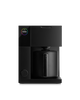
Electric kettles generally offer superior speed, convenience, and precise temperature control, making them excellent companions for a daily routine. Conversely, stovetop kettles suit those who prefer a simple, traditional aesthetic and lean toward a more analog brewing experience.
In truth, neither design is universally better, so finding the right kettle for you depends on how you make your morning coffee or tea, how much control you want, and what naturally fits your kitchen space.
Understanding the differences in speed, temperature control, pour precision, and design will help you make an informed choice and get the best kind of kettle for what you need.
Key Takeaways
-
Electric kettles excel in speed, daily convenience, and exact temperature control.
-
Stovetop kettles offer mechanical simplicity, classic aesthetics, and a more traditional approach.
-
Thermal precision is the secret to avoiding bitter flavors and extracting the best notes from delicate coffees and teas.
-
Spout design dictates your pour control, with gooseneck options being essential for pour-over brewing.
-
Your ideal choice should seamlessly bridge your morning routine, your desired level of control, and your preferred aesthetic.
Electric vs. Stovetop Kettle: What’s the Difference?
While both kettle types perform the same essential task, they rely on distinct heat sources. An electric kettle heats water internally through a powered base or a built-in heating element. A stovetop kettle is heated externally by resting directly on a gas stove, electric stove, or induction cooktop.
Both vessels will boil water effectively, but they diverge significantly regarding speed, temperature control, convenience, safety features, and your overall brewing experience.
Is an Electric or Stovetop Kettle Better?
An electric kettle is typically the more practical choice for most coffee and tea drinkers, combining quick heating with convenient, modern controls. However, a traditional stovetop kettle remains a strong option if you value mechanical simplicity, analog operation, and a more classical kitchen aesthetic.
If you frequently brew pour-over coffee, you should consider not only the heat source but also the spout style and the level of temperature control you require. Other viable points of comparison include:
|
Feature |
Electric Kettle |
Stovetop Kettle |
|
Speed |
Usually faster |
Depends on the stove and kettle |
|
Temperature Control |
Built into variable-temperature models |
Usually managed manually or with a thermometer |
|
Pour Control |
Varies according to spout style (gooseneck or standard) |
Varies according to spout style (gooseneck or standard) |
|
Convenience |
Set, heat, and use, even away from the stove |
Requires a burner and more attention |
|
Safety |
Auto shutoff and boil-dry protection |
Relies more on active monitoring |
|
Energy Efficiency |
Highly efficient; minimal heat loss. |
Less efficient; heat escapes around the kettle. |
|
Care |
Needs descaling and a dry, powered base |
Needs descaling and straightforward stovetop care |
|
Best For |
Precision brewing and daily ease |
Simple boiling and traditional brewing |
Ultimately, weighing these practical points of comparison against your habits and preferences is the best way to determine which kettle belongs in your kitchen.
Speed, Convenience, Safety, and Everyday Care
Electric kettles usually heat water faster because their internal heating element transfers energy directly into the water, resulting in less energy loss. Exact timing still varies depending on the specific kettle, your heat source, and the volume of warm water you start with, but an electric model will quickly boil water in most scenarios.
They also offer everyday convenience by keeping your stove top clear, making a plug-in kettle ideal for a dedicated coffee bar or office. Modern electrical components also tend to include safety features like auto shut-off and boil-dry protection, reducing the need to monitor an open flame.
Conversely, stovetop models offer familiar simplicity and function during a power outage, though they require more active attention while waiting for the whistle.
For both types, care requires periodic descaling to prevent mineral deposits. Electric bases must remain dry, whereas the simpler construction of a stovetop model often makes routine cleaning straightforward.
Why Temperature Control Matters
Bringing water to a rolling boil is not always the goal. Different coffees and teas respond distinctly to heat, and pouring boiling water directly over delicate grounds or leaves can result in harsh, over-extracted flavors.
For coffee, controlled water temperature helps you manage extraction, allowing you to dial in the perfect recipe for different roast profiles. Similarly, green tea, white tea, and oolong generally call for lower temperatures than a robust black tea or herbal blend. If you enjoy matcha, excessively hot water can easily make the delicate powder taste bitter.
A variable-temperature electric kettle gives you precise temperature control, letting you set your desired temperature and maintain it consistently every morning. A stovetop model typically requires monitoring a thermometer, pulling the kettle off the heat at the right moment, or letting hot water cool before you pour.
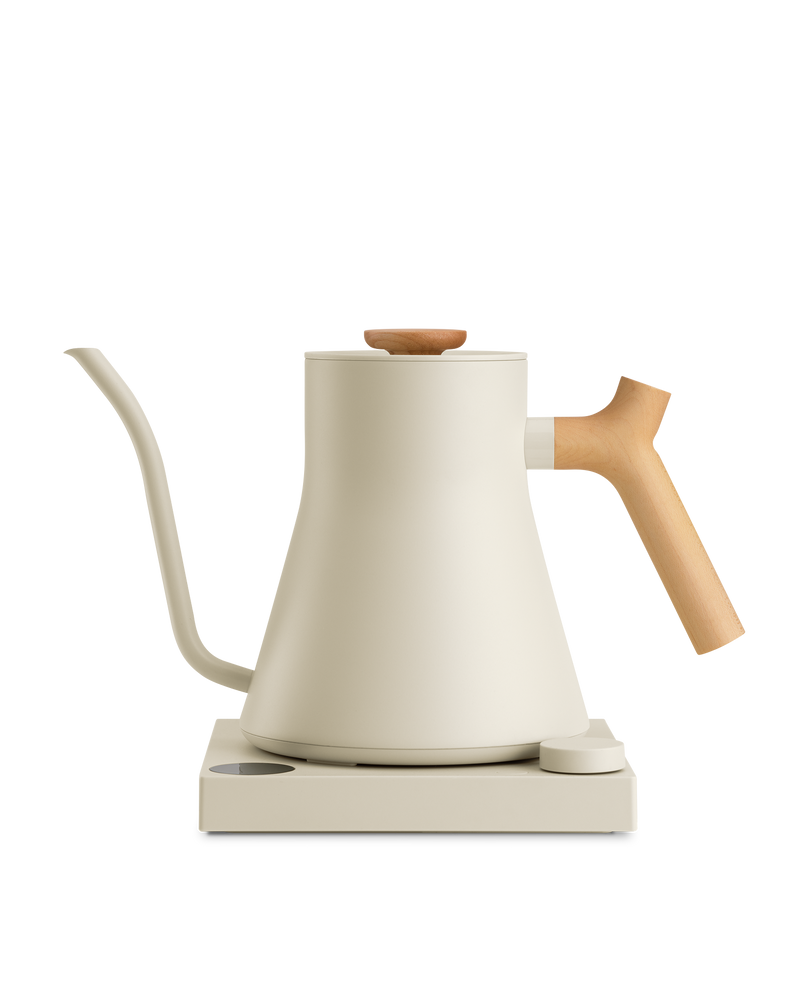
If you want seamless, to-the-degree precision, the Stagg EKG Electric Kettle combines variable temperature settings, quick heating, and a controlled gooseneck spout to deliver the precision you need to elevate your daily coffee and tea rituals.
Pour Control: Standard Spout vs. Gooseneck Kettle
A standard, wider spout pours quickly and is usually sufficient for French press coffee, steeping tea, and general cooking tasks. In contrast, a gooseneck spout features a narrow, curved shape specifically designed to give you greater precision over the flow rate, direction, and placement of the water.
For pour-over coffee, this controlled flow results in even saturation of the coffee bed and consistently repeatable extractions. Both electric and stovetop models can feature this specialized spout. The spout dictates how you pour, while the heating system determines how you reach your desired temperature.
If you prefer managing your heat source on a natural gas or electric stove, the Stagg Pour-Over Stovetop Kettle combines a precision spout and counterbalanced handle with a built-in brew-range thermometer.
Which Kettle Fits Your Kitchen Best?
An electric kettle requires dedicated counter space, while a stovetop model can live gracefully directly on your cooktop. Consider your available wall outlets and whether you want a brewing station completely separate from your main cooking area.
You also want to match the kettle's capacity to how much water you normally heat rather than defaulting to the largest size. Daily handling matters as well — consider the filled weight, handle comfort, lid security, and how the pouring speed aligns with your frequent use.
Finally, consider design. Ask yourself whether the new electric kettle or traditional stovetop model will remain on display in your kitchen, and how its silhouette fits your preferred aesthetics. Stovetop kettles naturally complement a traditional setup, whereas electric kettles can seamlessly anchor a modern brewing station.
Choosing the Right Kettle for Your Routine
An electric kettle offers the strongest combination of speed, repeatability, and precise temp control, making it an indispensable tool for dialing in consistent morning brews. Meanwhile, a stovetop kettle provides mechanical simplicity and a beautifully traditional, analog approach to boiling water for your beverages.
Bring your decision back to what you brew most frequently, the level of control you enjoy, and where the vessel will ultimately live in your home.
Explore Fellow’s kettle collection to find the perfect piece for your particular needs.
Frequently Asked Questions About Electric and Stovetop Kettles
Even with the core differences laid out, a few practical questions usually pop up when choosing a new kettle. Here are quick answers regarding boiling speed, materials, and water readiness.
What is the healthiest way to boil water?
Neither electric nor stovetop heating is inherently healthier. For the cleanest cup, use clean drinking water and a well-maintained kettle made with high-quality, food-safe materials. Follow the manufacturer’s cleaning instructions and prioritize regular descaling to remove mineral deposits, particularly if you live in a hard-water area.
Does water boil faster in a stovetop kettle?
Electric kettles are usually faster at reaching the boiling point. Because they heat the water directly, less energy escapes into the surrounding room. However, exact boiling times will still depend on your specific kettle, stove type, starting temperature, and water volume.
How long should boiling water sit before drinking?
There is no universal waiting time because water cools differently depending on its volume and container. For drinking, simply let it cool until it is safe and comfortable. For brewing, use the recommended temperature appropriate for the coffee, tea pot infusion, or matcha you are preparing.