Building a modern home bar is an opportunity to elevate how you unwind and entertain guests, as well as to craft something tailored to your specific needs and tastes. Yet it’s easy to fall into the trap of thinking that “a proper home beverage station” requires a dedicated room, a sprawling liquor collection, and an extensive remodel.
The reality is that building the perfect home bar is more of an exercise in intentionality. The right setup for you ultimately depends on factors like available space, the drinks you enjoy, and the experience you want for yourself and your guests—whether that means a dedicated compact tray space or a permanent built-in.
By choosing the right format, planning an intuitive layout, and selecting essential tools, you can easily craft cocktails at home in a space that feels polished, highly functional, and distinctly yours.
Key Takeaways
- Choose a home bar format that seamlessly fits your room and personal entertaining style.
- Plan the precise location, storage, and preparation surface before purchasing new accessories.
- Start with a compact, carefully selected set of versatile tools and essential glassware.
- Stock your ingredients around a few specific drinks you genuinely enjoy making.
- Keep the overall design restrained to ensure the bar remains an easy, inviting place to use.
Choose the Right Home Bar Setup for Your Space
The first step in your bar-design process is deciding the physical form your setup will take. While a traditional home bar typically revolves around mixing and serving spirits, a home beverage station often flexes to accommodate wine, alcohol-free options, or even coffee and tea.
Modern home bar designs frequently blend both, so it helps to figure out what you truly want at an early stage. Whether you are outfitting a compact city loft or a sprawling country house, defining your bar area sets the foundation that will ultimately shape the whole project.
Some popular bar setups include:
- Countertop or tray setup: Ideal for small spaces and minimalistic collections, keeping things simple and affordable, even if storage becomes very limited.
- Bar cart: Highly flexible and renter-friendly, allowing you to move the bar as needed, though it can easily become cluttered due to limited space.
- Cabinet or wall-mounted bar cabinet: Perfect for living and dining room spaces, and effective for concealing bottles and tools. Wall-mounted cabinets, in particular, are an excellent way to save floor space in smaller areas.
- Built-in dry bar: Excellent for frequent hosting, providing integrated storage and preparation areas, but requires permanent space.
- Built-in wet bar: The best choice for regular entertaining, simplifying preparation and cleanup with a dedicated sink, though it requires plumbing and installation.
|
|
Best For | Main Advantage |
|
| Countertop setup | Small spaces and minimal collections | Simple and affordable | Very limited storage |
| Bar cart | Renters and flexible hosting | Moveable and easy to restyle | Can become visually cluttered |
| Cabinet or console | Living and dining spaces | Conceals bottles and tools | May offer limited workspace |
| Built-in dry bar | Frequent hosting | Integrated storage and preparation area | Requires permanent space |
| Built-in wet bar | Regular entertaining | Simplifies preparation and cleanup | Requires plumbing and installation |
When evaluating options, weigh your budget, storage needs, and whether you require electricity for appliances or a small wine cellar fridge.
If you have the room, an L-shaped bar layout provides a fantastic way to optimize your space and naturally separate the working zone from your guests. However, a highly functional spot for beverages does not need to be massive or permanently anchored to a wall.
Plan the Location, Layout, and Storage
Location dictates how effortlessly your space functions.
Consider placing your setup near the primary gathering spot, like a cozy basement bar, a corner bar near a warm fireplace, or along an open wall that’s safely outside the kitchen’s busiest cooking route. You also want convenient access to water, fresh ice, refrigeration, and seating, while avoiding direct sunlight that could compromise your bottles or delicate garnishes.
Next, factor in your hosting style. Most experienced hosts agree that an intuitive layout centered around the user is essential to ensure mixing drinks remains fun rather than stressful. Taking a page from professional designers, organize your station around three practical zones:
- Storage: A place for bottles, mixers, tools, and reserve supplies.
- Preparation: A clear surface to test recipes, measure, mix, cut, and garnish.
- Serving: A spot for glassware, napkins, coasters, and finished drinks. A couple of comfortable barstools here are essential for keeping guests engaged while you mix.
Keep your most frequently used items close at hand, tucking visual clutter or reserve bottles out of view. Ensure you have adequate lighting and an easy-clean surface so the actual process of making drinks remains smooth and enjoyable.
Essential Home Bar Tools and Glassware
With your layout established, it is time to select the specific tools and glassware that will outfit your space.
Essential Home Bar Tools
Focus strictly on physical equipment and serving pieces that feel comfortable and practical. A well-equipped home bartender needs a compact, reliable toolkit that often includes a jigger, cocktail shaker, mixing glass, bar spoon, strainer, bottle opener, corkscrew, small knife, cutting board, ice bucket, and a citrus peeler.
Essential Home Bar Glassware
Your glassware collection should be equally restrained at the outset; there is no need to buy a different glass shape for every type of drink.
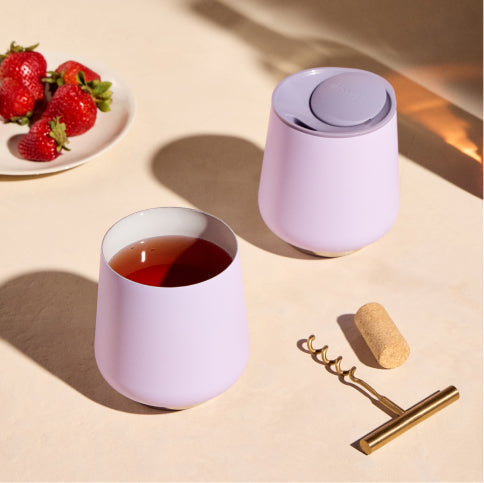
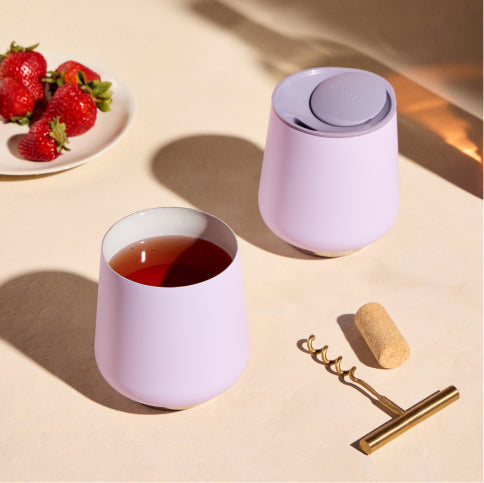
Instead, focus on a few versatile essentials: lowball glasses for neat pours, wine glasses for spritzes, and highball glasses for tall mixed drinks. Add some cups and tumblers if you also stock alcohol free options, coffee, or tea.
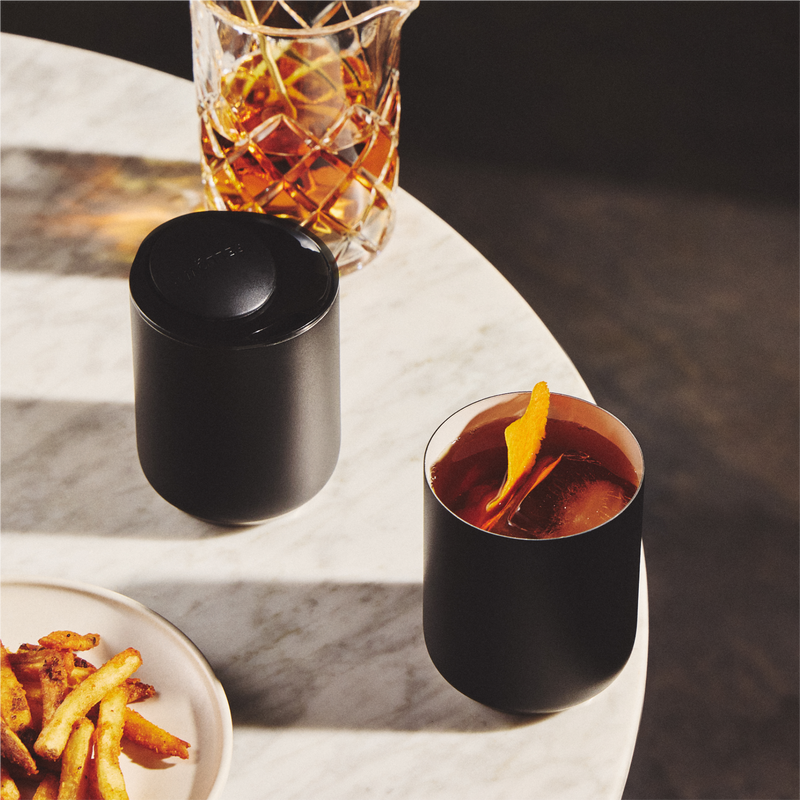
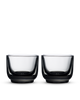
A few tactile, well-proportioned options—like Fellow’s whiskey tumblers—serve as a beautiful finishing touch you can keep on display.
How to Stock a Home Bar
When it comes to stocking your home bar’s shelves, the most effective approach is to build a menu first.
Select three to five drinks you genuinely enjoy making—perhaps a classic pour, a refreshing cucumber gin cocktail, or an evening sleepy girl mocktail—and stock your bar around those preferred cocktail recipes to start. Then, consider building out your menu around classics like an Old Fashioned, Margarita, or Negroni, which cleverly share overlapping ingredients.
A flexible starting collection should include:
- Base spirits: Two or three you actually drink (essential spirits often include vodka, gin, tequila, whiskey, rum, and scotch).
- Modifiers & Mixers: Sweet vermouth or amaro, a bottle of bitters, and a versatile mixer like sparkling water.
- Fresh Additions: Citrus and a simple sweetener.
- Alcohol-free options: At least one elevated base for non-alcoholic drinks.
Regardless of your bar’s size, every chosen bottle should earn its place. Listen to the feedback your friends naturally share as you read the room, and continue tailoring your collection over time to what people gravitate toward.
Finally, do not overlook temperature control. Keep standard ice ready for mixing and larger cubes for neat spirits. Ensure proper refrigeration for opened vermouths, fresh citrus, and fragile syrups to keep your ingredients tasting their best.
Modern Home Bar Ideas That Balance Style and Function
A beautifully designed bar should feel like an intentional part of your house, matching the rest of your home rather than relying on a heavy-handed commercial pub theme. To achieve this balance as you decorate, repeat finishes and materials that already exist in your room.
Consider these focused design choices for a home bar that merges style and function:
- Mix textures: Contrast clean white countertops or glass shelves with rich wood, cool stone, or brushed metal accents.
- Maximize light: A mirrored backsplash can deepen the space and elegantly reflect warm evening light.
- Group items: Use elegant trays to corral smaller bottles, preventing visual sprawl and creating photo-ready displays.
- Think vertically: Use vertical storage and focused lighting above your shelves to transform blank walls.
It’s also important to always leave enough space on your counter to comfortably prepare the drinks. Finally, a clean environment is a welcoming one. Maintain your station by washing tools promptly, refrigerating perishables, and removing unused accessories.
Building Your Home Bar Around the Way You Host
Ultimately, a successful home bar is defined by its usefulness, not its size, budget, or total bottle count.
By choosing the right physical format, planning an intuitive layout, investing in versatile equipment, stocking only what you truly love, and finishing the space with restrained design choices, you create a space that serves you perfectly. When in doubt, start with a smaller, considered setup, and expand it only as needed.
For further equipment ideas and inspiration, explore Fellow’s Barware to find considered tools and glassware for a more refined home bartending setup.
Frequently Asked Questions About Home Bars
Moving from inspiration to installation usually brings up a few additional questions about plumbing, placement, and footprint. Clarifying these details upfront can help your new beverage station feel like a natural, effortless extension of your living space.
How much space do you need for a home bar?
There is no strict minimum space requirement. A beautifully styled tray or a rolling cart works perfectly in a compact room, whereas a built-in setup requires enough dedicated square footage to comfortably accommodate both storage cabinetry and a functional preparation surface.
Where is the best place to put a home bar?
The ideal location is near your main entertaining area, offering guests easy access to the drinks. However, it should sit comfortably outside the kitchen’s busiest work route, while still maintaining convenient proximity to fresh ice, water, and refrigeration.
What is the difference between a wet bar and a dry bar?
A wet bar includes a sink and integrated running water, making glass rinsing and quick cleanups incredibly convenient. A dry bar provides dedicated storage and preparation space for drinks, but operates without any connected plumbing.