There is a distinct satisfaction in bringing the craft of your morning coffee into your evening cocktail hour. But preparing coffee cocktails at home, like the classic espresso martini, can lead to frustration.
Without the right approach, this straightforward mix of vodka, coffee liqueur, and espresso can easily turn flat, watery, or overly sweet. The good news is that the exact same precision you apply to your daily brew is the secret to a café-quality evening drink.
You want an espresso martini with a pronounced coffee flavor, balanced sweetness, and a thick, lasting, frothy head. For that, you simply need the right tools and a few deliberate techniques to help guide your preparation.
Key Takeaways
- Fresh, concentrated espresso anchors the cocktail with an expressive, uncompromising aroma
- A dependable recipe balances vodka, fresh espresso, and coffee liqueur, leaving room to adjust the syrup based on the liqueur's sweetness
- Allowing the espresso to briefly cool before mixing prevents excessive ice melt and protects the cocktail from dilution
- Vigorous shaking with generous, solid ice rapidly chills the drink while introducing the air needed for its signature textured foam
- The classic formula is highly adaptable; altering one component at a time allows you to personalize the profile
Before You Start: Espresso Martini Ingredients and Tools
Every memorable evening drink relies on a few carefully chosen ingredients and tools to help you balance elements like measurement, chilling, aeration, and serving. Here are the ones you need for a perfect Espresso Martini mix.
Choosing Your Ingredients
Since this recipe requires just a few ingredients, each one needs to carry its weight as it will heavily impact the final drink.
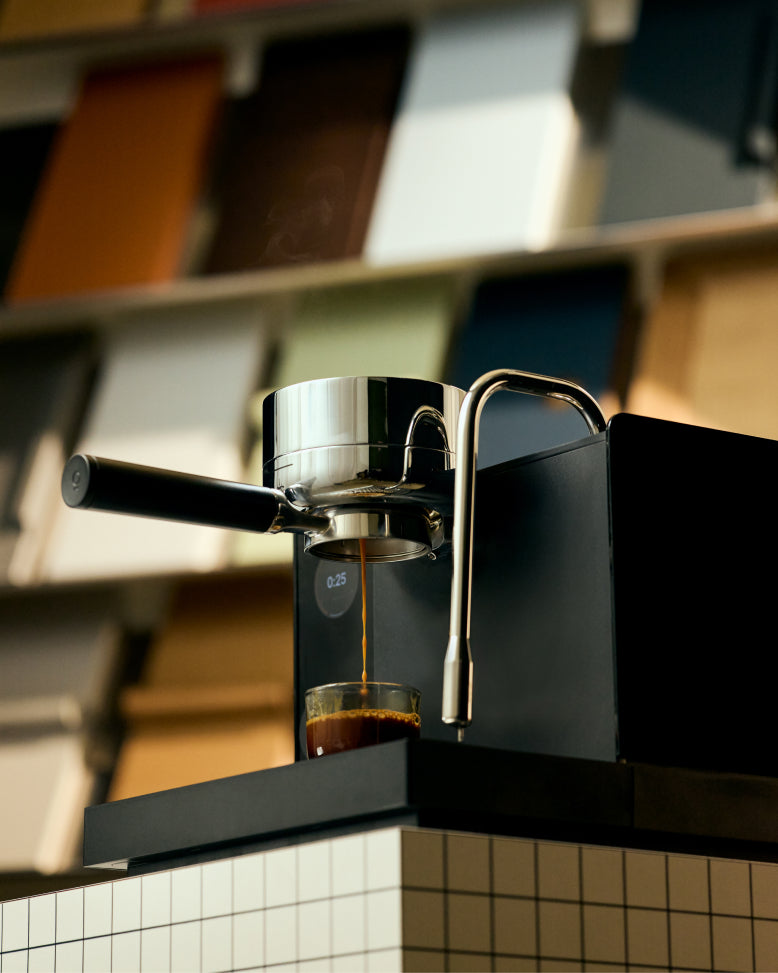
- Fresh espresso: You want to pull a balanced espresso shot that tastes exceptional on its own; a cocktail will not hide a harsh or over-extracted brew. Profiles rich in chocolate, caramel, and toasted nuts lay a classic foundation, and tools like the Espresso Series 1 simplify the process for more café-quality extractions at home.
- Vodka: Think of vodka as the canvas. Select a clean, smooth spirit that can elevate the coffee rather than fighting it for attention. An ultra-premium bottle isn't necessary; a solid, neutral profile works perfectly.
- Coffee liqueur: Liqueurs span a wide spectrum of sweetness, coffee intensity, and proof. Your selection here dictates the drink’s ultimate balance and whether you need to introduce additional sweetening.
- Simple syrup: Consider this a variable rather than a strict requirement. Taste your mixture and adjust the sweetness to suit your personal preferences and the profile of your chosen liqueur.
- Espresso alternatives: If an espresso machine isn't part of your setup, a highly concentrated AeroPress brew or cold brew concentrate can serve as a capable stand-in.
As for measurements, start with these proportions for a coffee-forward balance, then tweak them to your exact liking.
|
Espresso Martini Ingredient |
Recommended Starting Amount |
| Vodka | 1 1/2 oz |
| Fresh espresso | 1 oz |
| Coffee liqueur | 3/4 oz |
| Simple syrup | Up to 1/4 oz, according to taste |
| Ice | Enough to fill the shaker generously |
| Coffee beans (optional) | 3 |
Tools You Will Need
While the ingredients define the flavor, your equipment controls crucial elements like temperature and texture. A few essential pieces of barware make preparation easier, ensuring you can properly measure, chill, and aerate the drink.
- Espresso machine
- Cocktail shaker
- Jigger or measuring tool
- Strainer
- Small vessel for briefly cooling the espresso
- Chilled coupe or martini glass
How to Make an Espresso Martini Step by Step
Crafting this cocktail is about timing and temperature as much as it is about proportions. Follow these steps to build, shake, and serve a drink that remains vibrant and frosty from the first sip to the last.
Chill the glass: Place your serving glass in the freezer or fill it with ice while you work. Pre-chilling your glass keeps the cocktail colder for longer once poured.
Prepare and briefly cool the espresso: Pull a fresh, balanced double shot and transfer it to a small vessel to let it cool a bit. Pouring piping-hot espresso directly over ice forces rapid melting and leaves you with a watery drink.
Measure your ingredients: Pour your vodka, cooled espresso, coffee liqueur, and any necessary syrup into your cocktail shaker. Always rely on a jigger rather than guessing by eye; precision here guarantees the coffee-forward balance you want.
Add ice and shake vigorously: Fill the shaker generously with large, solid ice cubes, while leaving enough headspace for the liquid to travel. Secure the shaker, hold it firmly, and shake decisively for 15 to 20 seconds. You will know it is ready when the exterior feels bracingly cold, and a light frost develops on the metal.
Strain and serve immediately. Unseal the shaker and strain the liquid into your chilled cocktail glass in one continuous, smooth pour. Moving quickly helps the beautifully aerated foam set up in the glass. Garnish the foamy top with three coffee beans if desired, and enjoy.
Perfecting Foam and Balance: Troubleshooting Your Espresso Martini
The signature, velvety foam of an Espresso Martini doesn't happen by accident. Shaking introduces the air necessary for aeration, while the natural oils and compounds in the coffee beans catch and stabilize those tiny bubbles.
Yet espresso crema alone isn't enough to carry the texture the drink is known for, and a gentle stir will leave the drink flat.
If your cocktail isn't hitting that café-quality mark, here is how to adjust your technique:
- Weak foam: Leave more room in the shaker, agitate harder, and pour without delay. Achieving a properly textured drink requires ample internal capacity and a completely secure seal.
- Watery cocktail: Use solid ice cubes and slightly cooled espresso in your mix, rather than piping-hot coffee.
- Overly sweet result: Dial back or completely drop the simple syrup, especially if your liqueur leans sweet.
- Lukewarm drink: Pre-chill the glass, use ample ice, and do not stop shaking until the metal is thoroughly frosted.
- Harsh flavor: Check your extraction; begin with a well-balanced shot and avoid pulling a bitter, over-extracted espresso.
Making More Than One Drink?
When preparing drinks for a partner or guest, you can safely scale the ingredients to make two servings at once. However, never crowd the shaker so much that the ice cannot move freely. If the vessel is too full, work in smaller rounds, dividing properly aerated batches evenly between your chilled glasses.
Espresso Martini Variations to Try
Once you have the core recipe down and you feel ready to experiment, you can try branching out with interesting variations:
- Vanilla espresso martini: Introduce a splash of vanilla syrup or swap in a vanilla-infused vodka, pulling back slightly on other sweeteners to maintain balance.
- Alternative-spirit espresso martini: Trade the clean profile of vodka for the richer, warmer depths of aged rum, bourbon, or an earthy tequila.
- Chocolate-orange espresso martini: Introduce a highly restrained chocolate or orange accent (like chocolate bitters) that uplifts the espresso flavors without overcrowding it.
If it is late in the evening, you can easily swap in decaffeinated espresso for a lower-caffeine variation without changing the fundamental recipe. Just try altering a single ingredient at a time to better understand how a given tweak shifts the entire profile.
For more inspiration on merging your morning brew with evening spirits, explore our broader coffee cocktail recipes.
Bring Coffee Precision to Cocktail Hour
A polished espresso martini doesn’t require complex mixology. It simply asks for the same care you bring to your morning routine: fresh coffee, the right gear, and thoughtful proportions. The attention you already dedicate to extraction and tactile details of a perfect coffee shot translates seamlessly into a balanced, beautifully textured evening drink.
To help bring that considered approach to your evening pour, explore Fellow barware for tools and accessories that elevate your cocktails, nightcaps, and mixed drinks.
Frequently Asked Questions About Espresso Martinis
If you are refining your technique, here are straightforward answers to the most common questions about this classic cocktail.
What type of coffee is used in an espresso martini?
Fresh espresso is the traditional standard because it packs a massive punch of flavor without drowning the drink in excess water. Medium to medium-dark roasts with tasting notes of chocolate or caramel are highly reliable, though a lighter roast will yield a uniquely vibrant profile. If an espresso machine is out of reach, a very concentrated AeroPress brew or cold brew coffee concentrate will do the job.
What is the golden rule for an espresso martini?
There is no single, universally mandated rule, but a great drink lives or dies on balance—specifically, balancing bold coffee flavor against sweetness, alcohol, and dilution. You should adjust ingredient proportions to arrive at a flavor that’s right for you.
Why don’t bartenders like making espresso martinis?
In a high-volume bar setting, they can disrupt the flow of service. A proper espresso martini demands pulling fresh shots, measuring multiple ingredients, aggressive shaking, careful straining, and cleaning out the shaker afterward, so it’s not a preparation that should be rushed.