Key Takeaways
- Espresso-based milk drinks are defined by a surprisingly simple formula: the ratio of espresso to milk, as well as the temperature and milk texture itself.
- Adjusting these proportions changes the entire experience, allowing you to shift from “stronger”, more espresso-forward drinks (like macchiatos) to mellower, more creamy options (like lattes).
- There is no single "best" espresso drink. Finding your perfect cup depends entirely on whether you crave more coffee presence or a mellower experience with more milk.
- A solid shot of espresso produced by a consistent grind and quality coffee is the fundamental secret to recreating your favorite café drinks at home.
Staring at a sprawling café menu can sometimes feel like deciphering a different language. Yet behind the varied names of lattes, cappuccinos, and macchiatos lies a surprisingly simple truth: almost every option is built from the exact same foundation.
The magic behind the wide variety of espresso drinks lies entirely in the ratios—how freshly pulled espresso interacts with different proportions of steamed milk and its foam, or in some cases, cold milk, water, and/or ice.
Once you understand these nuanced differences, you have all you need to navigate those coffee shop menus like a connoisseur. More importantly, you gain insight into how to pull and pour these delicious combinations in your own kitchen.
This guide breaks down the most popular types of espresso drinks and the specific ratios that define them, helping you turn a quick morning fix into a deliberate, elevated home brewing ritual.
The Foundation: What Exactly Is Espresso?

Espresso is a small, highly concentrated coffee brewed by forcing hot water through finely ground coffee beans under intense pressure. This unique extraction method yields a dense body, rich flavor, and a layer of golden crema that provides structure and aroma to these coffee-based drinks.
Brewing great espresso requires a delicate balance of water temperature, pressure, and time. But because the extraction takes only 25 to 30 seconds, your shot is most sensitive to grind size. If your coffee grounds are too coarse, the water rushes through, leaving the drink thin and sour. If they are ground too finely, the shot chokes, resulting in a harsh, bitter finish. This makes a precise burr grinder arguably the most important tool for maintaining the consistency you need to transition smoothly between different espresso drinks at home.
Once you understand this concentrated base, the rest of the espresso family is easier to decode. Other types of espresso drinks simply change what gets added, and in what volume.
Espresso Drinks & Ratios at a Glance
While ratios often vary by café, geographic region, glass size, and personal taste preferences, understanding the general proportions helps clarify why these drinks taste so different.
| Drink Type | Espresso | Milk | Water | Foam / Extras | What It Tastes Like |
| Espresso | 1 part | None | None | Crema only | Bold, dense, concentrated |
| Americano | 1 part | None | 2–3 parts | None | Longer, smoother, coffee-like |
| Macchiato | 1 part | Small mark | None | Spoonful of foam | Espresso-forward with a soft edge |
| Cortado | 1 part | 1 part | None | Little to no foam | Balanced, creamy, compact |
| Flat White | 1 part | 2-3 parts | None | Thin microfoam | Velvety, stronger than a latte |
| Cappuccino | 1 part | 1 part | None | 1 part foam | Balanced, airy, textured |
| Mocha | 1 part | 3-5 parts | None | Chocolate, optional cream | Sweet, rich, dessert-like |
Once you know these baseline ratios, adjusting your home routine to match your ideal flavor profile becomes highly intuitive, as milk or water vs espresso volume dictates intensity.
Smaller drinks keep the espresso highly pronounced, allowing the natural notes of the coffee to take center stage. Larger milk-based drinks gently soften that punch, using stretched milk and foam to create a smoother, more comforting cup.
A Quick Reference Guide to the Most Popular Types of Espresso Drinks

To help you find your ideal morning pour, we’ve organized these café classics by intensity. Consider this a guided tasting, moving step by step from the sharp, unadulterated clarity of a straight shot to the richest, milk-forward cups.
Espresso
Consider this the foundation of your brewing repertoire. Served straight, a single espresso (most often pulled as a double shot due to the volume of coffee used) is a small, intense cup designed to highlight the coffee's natural complexity and aroma.
These are the perfect choices when you want to experience the nuanced notes of the coffee itself, unmasked by milk.
Macchiato
Far removed from the large, syrupy beverages sometimes sold under a similar name, a traditional espresso macchiato is deeply coffee-forward. Macchiato directly translates to “marked” or “stained”, so in this drink, the shot is lightly "marked" with just a small spoonful of steamed milk, delivering a bold, strong flavor profile, softened by just the slightest creamy edge.
Cortado
For those caught between wanting the intensity of a macchiato or the mellower but still espresso-forward nature of a cappuccino, the cortado is a perfect bridge. By cutting the espresso with roughly equal parts cool steamed milk and thin texture, aka minimal foam, it creates a balanced, small cup that is smoother than a macchiato but noticeably stronger than a cappuccino.
Flat White
Silky and velvety, the flat white combines espresso with steamed milk and a very thin, glossy layer of microfoam. Because it relies on a tighter milk-to-espresso ratio than your standard latte, the coffee notes push through more prominently, appealing to anyone who loves a milky texture but refuses to lose the underlying coffee intensity.
Cappuccino
Structurally balanced and beautifully textured, a classic cappuccino layers espresso, steamed milk, and thicker microfoam milk in equal measure.
The more aerated milk gives it a surprisingly light mouthfeel, while the espresso cuts through with a robust presence. It stands as the timeless middle ground of espresso drinks.
Latte
Renowned for its smooth, mild flavor, the latte blends espresso with a generous pour of steamed milk, capped with a delicate layer of microfoam—roughly the same amount of foam as a cortado or flat white, though some would say the flat white has a similar texture to a cappuccino (it depends where you are). It is arguably the most mellow of all espresso drinks.
Mocha
Leaning into dessert territory, the mocha introduces chocolate sauce or rich cocoa powder to the standard mix of espresso and steamed milk. It maintains a hot espresso base but wraps it in a sweet, decadent profile, making it the ultimate indulgence for lovers of chocolate-forward espresso-style drinks.
Americano
If you prefer a drink that lingers a little longer, the Americano stretches a standard shot of espresso with hot water. This dilution softens the immediate intensity of the regular espresso shot while beautifully retaining the coffee’s core character. It acts as a fantastic transition drink for regular drip coffee drinkers looking to expand their palate.
How to Choose Your Perfect Espresso Match

There is no single "best" espresso drink. If you are getting started with espresso, finding the right type for you depends entirely on how strong, creamy, sweet, or refreshing you want your coffee to feel at a given moment.
- If you love intense, concentrated coffee flavor: Choose a straight espresso, traditional macchiato, or even Americano.
- If you want a smaller creamy drink that still tastes like coffee: Choose a cortado or flat white.
- If you like foam and structured texture: Choose a cappuccino.
- If you prefer a smooth, mild, milk-forward drink: Choose a latte.
- If you want something sweet and rich: Choose a mocha.
- If you want a chilled coffee drink: Choose an iced Americano or an iced latte.
Also, remember that how you serve these common espresso drinks shapes the experience.
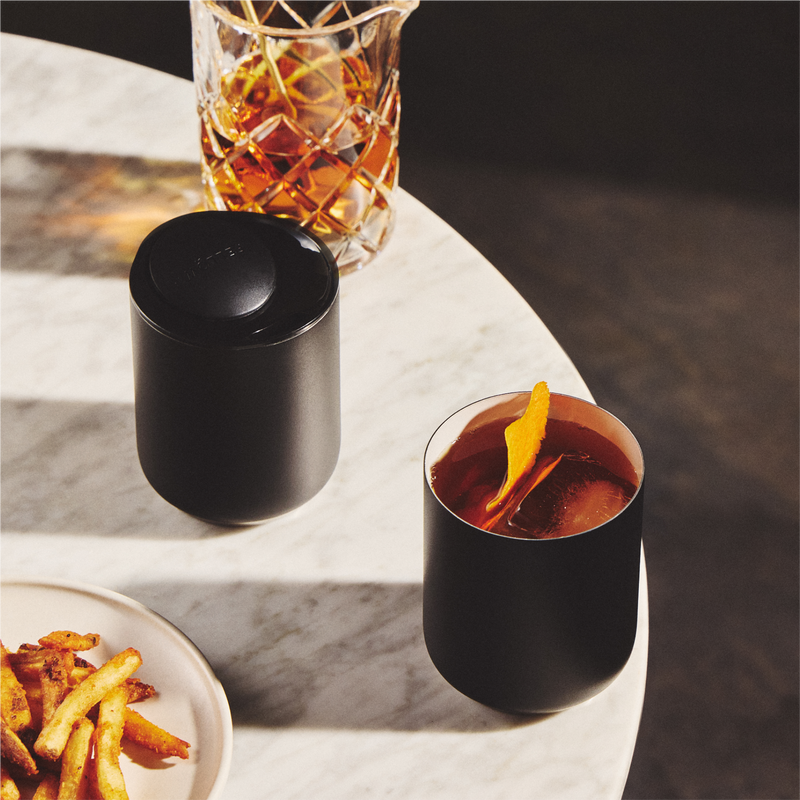
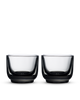
Choosing a smaller vessel for a cortado helps the drink feel intentional, while pouring your shots into design-forward drinkware like the Pirch Espresso Glass elevates the aesthetics of your daily coffee ritual.
Building a Better Espresso Ritual at Home

Bringing the café experience into your kitchen is about having the time, space, and precision-driven equipment to help you build the coffee experience you desire.
A great espresso cup simply requires pulling a consistent shot, sourcing the right beans, and understanding how cold milk, hot water, and foam transform the flavor.
Add to that process deliberate adjustments, like dialing in a finer grind, stretching the milk just right, or cradling a perfectly weighted cup, and you have all you need to find your own perfect combination.
Frequently Asked Questions About Espresso Drinks
Beyond mastering ratios and perfecting your pouring technique, building the perfect home coffee ritual is easier the more you learn about your chosen beverage. Here are some additional popular questions about espresso drinks you might be interested in.
What is the most popular espresso drink?
The latte is often one of the most popular espresso drinks because it is smooth, creamy, and easy to customize. Made with espresso, steamed milk, and a thin layer of microfoam, it has a softer coffee flavor than a cappuccino, macchiato, or Americano. Cappuccinos, Americanos, and mochas are also common café favorites.
What is a 4-shot espresso called?
A 4-shot espresso is commonly called a quad espresso or simply a quad shot. It contains four shots of espresso in one drink. Some cafés may use “quad” to describe a straight espresso order, while others use it as a modifier in drinks like a quad latte, quad Americano, or quad cappuccino.
Does espresso help digestion?
Espresso may stimulate digestion for some people because coffee and caffeine can encourage digestive system movement. However, it does not work the same way for everyone, and concentrated coffee may feel harsh for some people, especially on an empty stomach. If you have digestive concerns, moderation and medical guidance are best.